For your website, looks aren’t everything.
Why a refresh must go deeper than a facelift.
Even now, people still window-shop. The storefronts? You guessed it: it’s your website.
Most people don’t arrive at your website by accident. They come with a question, a need or a spark of curiosity. In just a few seconds, they’ll decide if they’ve come to the right place or hit a dead end.
That first impression matters more than most organizations realize. Long before potential customers ever talk to you, meet your team or experience your work firsthand, your website is shaping expectations and building trust. Or instantly undoing both.


When Your Website Works Against You
Here’s an analogy: A squeaky or jammed door makes it hard for customers to come inside and find what they are looking for. Intuitive navigation and accessibility are key.
Once visitors cross the digital threshold, the experience matters just as much as the visuals. They should feel welcome. They should understand where they are, what you do and how to take the next step without having to hunt for answers or wade through unnecessary clutter and vain decoration.
When a website forces users to work too hard—when navigation is confusing, content is buried or the message isn’t clear—they’ll leave.

Why Design, UX, SEO and Accessibility Must Work Together
That’s why website design, user experience (UX), search engine optimization (SEO) and ADA-compliant accessibility are inseparable. Together, they determine whether your website functions as a helpful business tool or an obstacle in the customer journey.
Good design sets the tone. It signals professionalism, clarity, and intention. But visual design alone isn’t enough.
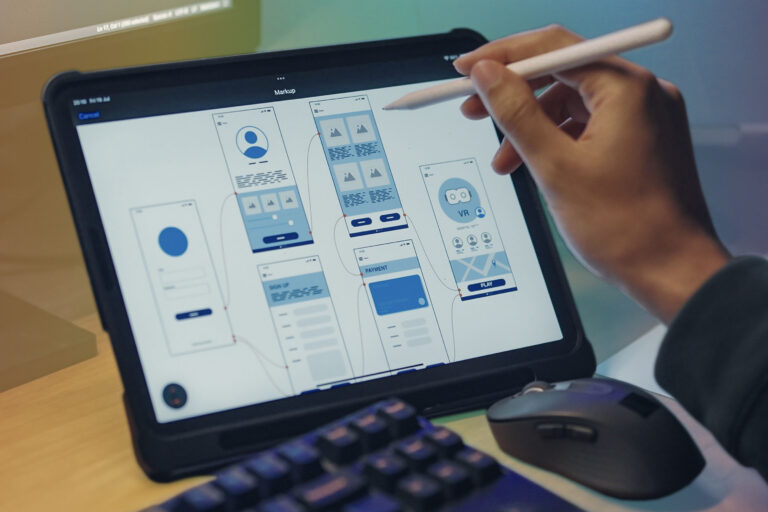
UX design focuses on how people actually move through your site, anticipating their needs and removing friction at every turn. It’s about structure, flow and restraint: decide what content matters, make it easy to find and cut unnecessary fluff.
SEO plays a different but equally important role. It ensures people can find your website in the first place. But effective SEO isn’t about stuffing keywords or chasing algorithms. It’s about organizing content logically, writing clearly and creating a structure that makes sense to both search engines and humans. When SEO is integrated from the beginning, it strengthens usability rather than competing with it.
Accessibility creates successful websites for everyone. Following ADA guidelines helps ensure that everyone can access the content, regardless of ability, device or circumstance. But accessibility isn’t just about compliance. It improves clarity, usability and structure for all users. When accessibility is built into the foundation of a website, it creates a more inclusive experience, strengthens overall performance and can improve conversion rates.

Our Proven Website Refresh Process
At Russell Herder, we follow a proven, strategic process when clients ask us to refresh their web presence:
- We start with a UX audit to understand what’s working on the current website and what isn’t
- Next, we optimize site architecture, streamline content and refine design
- Accessibility and SEO are integrated throughout
- Rigorous testing is conducted before launching
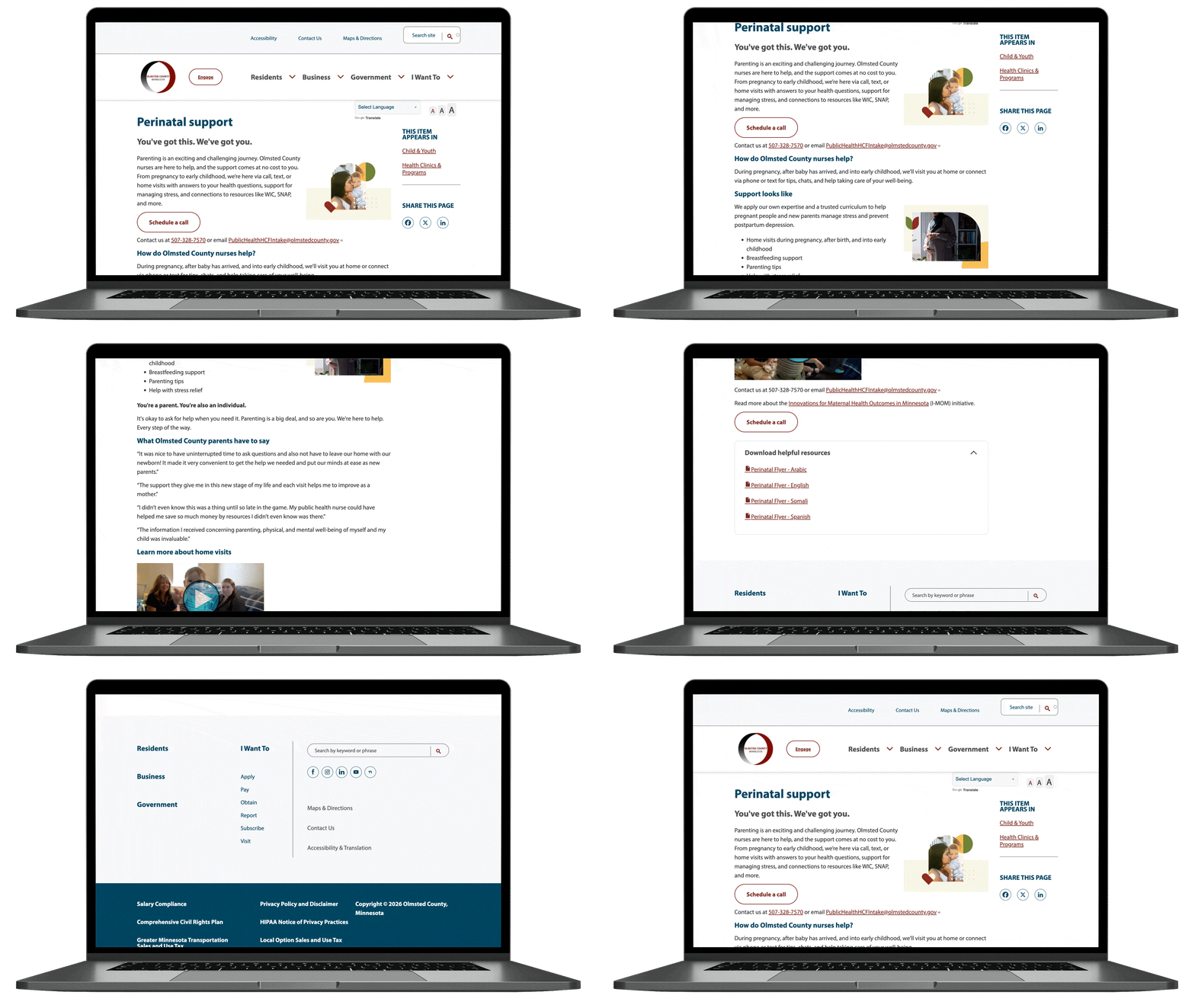
Like our recent work for the Law Office of Joshua Borken, the DMC Perinatal campaign and the Power Tool Institute, the results are user-first digital experiences designed to start conversations and drive results. Shouldn’t we include links?
When It’s Time to Refresh Your Website
A website refresh is your opportunity to make that experience intentional again. Over time, even the best websites can collect clutter and stop working. Pages get added, messaging shifts and priorities change. What once felt clear becomes layered and confusing. Refreshing a site isn’t about starting over or chasing the latest trend. It’s about stepping back and seeing the big picture. When done well, an optimized, redesigned website doesn’t just make a better first impression. It makes every interaction easier, clearer and more meaningful. And that’s what turns window shoppers into customers.